I Bought My First Rental the Way I Manage Projects
Most people buy investment properties the way they pick a restaurant. They go with what feels right and figure out the details later. Then they wonder why the returns never matched the dream.
I bought my first rental property the way I manage projects. After 15 years of managing complex, high-stakes projects at Munich Re, KPMG, and EXL Service, I know this: the skills that make a great PM make a great real estate investor. The methodology is nearly identical. Most people just never make the connection.
Why real estate is a project
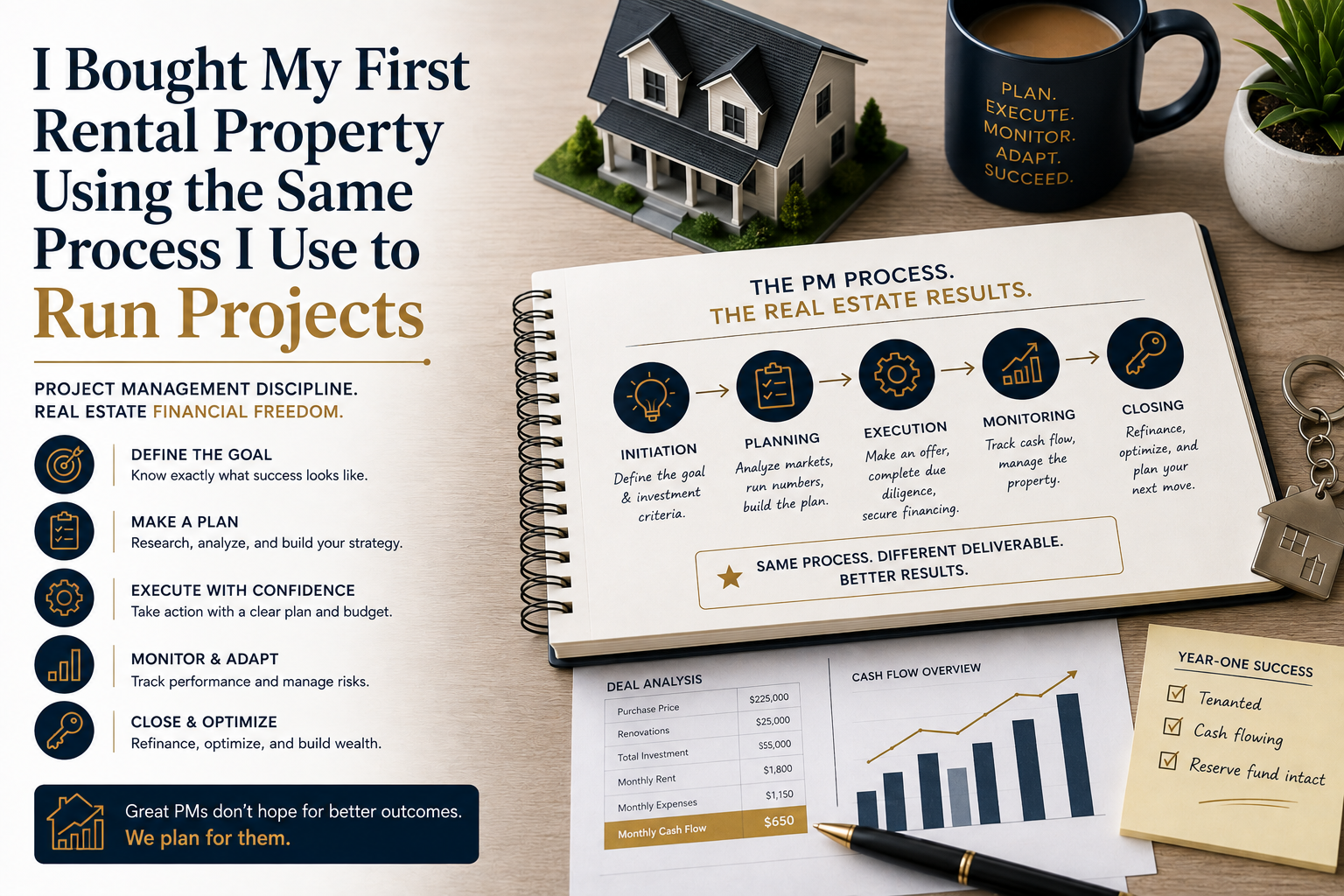
Every acquisition maps directly to the PM lifecycle you already know: initiation, planning, execution, monitoring, and closing. The property is the deliverable. Your cash flow target is the success criteria. The inspection is quality control. The financing is the budget. You have run this exact process dozens of times — just for someone else’s outcomes.
[INSERT IMAGE — PM lifecycle mapped to real estate acquisition]
My Investment Charter: written before I opened Zillow
Before I spoke to a realtor or looked at a single listing, I answered five questions in writing:
- Objective: Minimum $400/month net cash flow after all expenses — mortgage, taxes, insurance, maintenance reserves, and property management.
- Budget: Maximum down payment, purchase price, and repair budget, all defined before seeing a single listing.
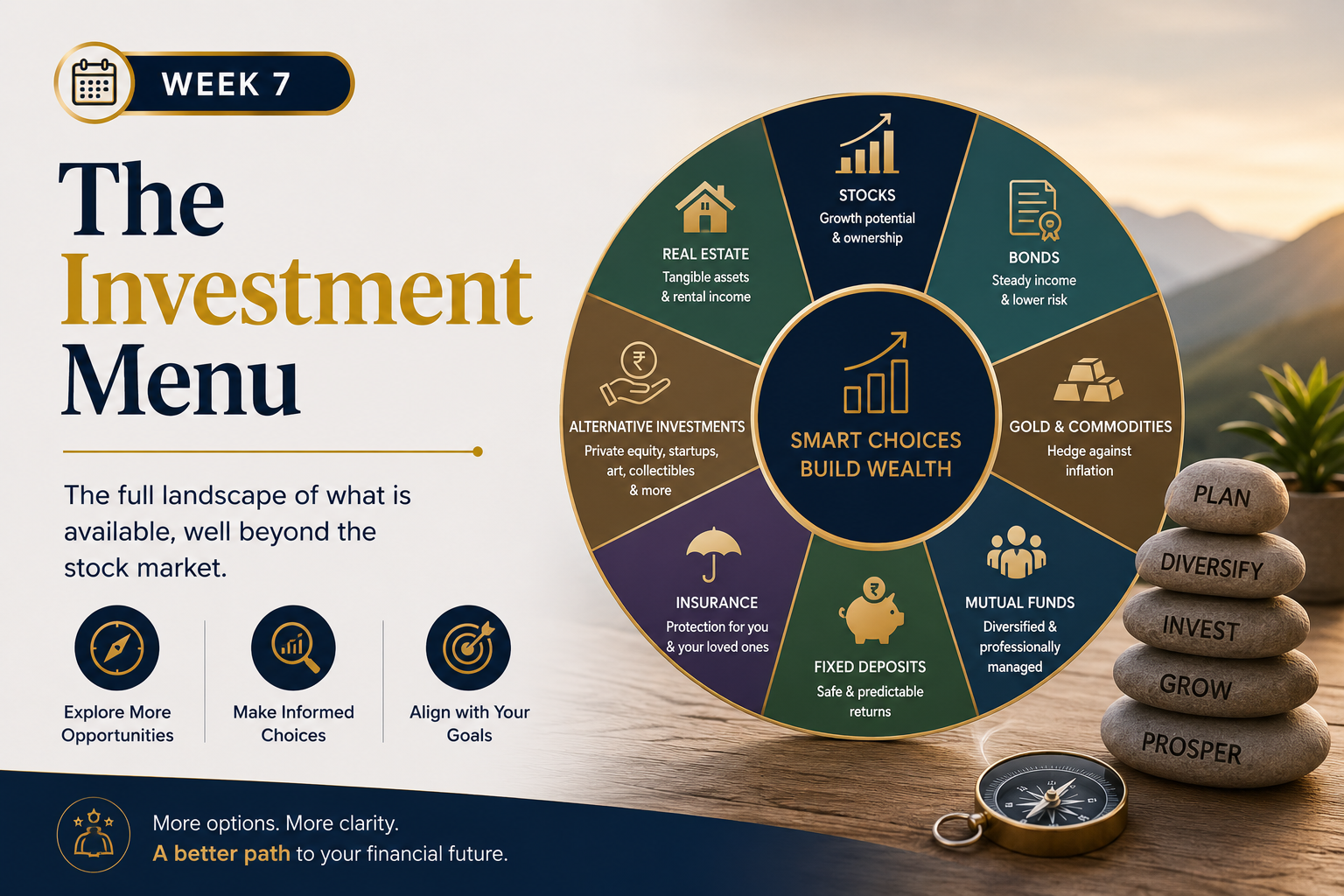
- Market criteria: Two to three markets. Landlord-friendly state. Population growth. A rent-to-price ratio that supported my cash flow target.
- Risk tolerance: Modeled a 3-month vacancy scenario. If the worst case still left me above water, I could proceed.
- Year-one success: Tenanted. Cash flowing. Reserve fund intact.
Every property I evaluated was measured against this charter. Not against my feelings. Against the charter. That document saved me from three bad deals before I found the right one.
The risk register that saved me $3,500
Two weeks before closing, the inspection revealed an electrical panel issue the seller’s disclosure had not mentioned. Repair estimate: $4,200.
Here is what my risk register already said to do in exactly this situation:
[INSERT IMAGE — risk register entry for inspection findings]
The seller agreed to a $3,500 credit. I proceeded to close. The decision was not emotional. It was a pre-planned response to a pre-identified risk. That is the PM way.
What the numbers looked like
The property has performed within 5% of my original projection every year since closing. Not luck. It was careful planning and conservative modeling — the same approach I bring to every project.
If you have been thinking about real estate
The most common thing I hear is: “I don’t know where to start.”
You already know. You start where every project starts. With a charter. Define your objective, budget, market criteria, risk tolerance, and year-one success — and then start looking at properties.
The market rewards the prepared buyer every single time. You have been the prepared buyer your entire career. Bring that same energy to your portfolio.
You already know how to do this work. The only question is whether you will do it for yourself.
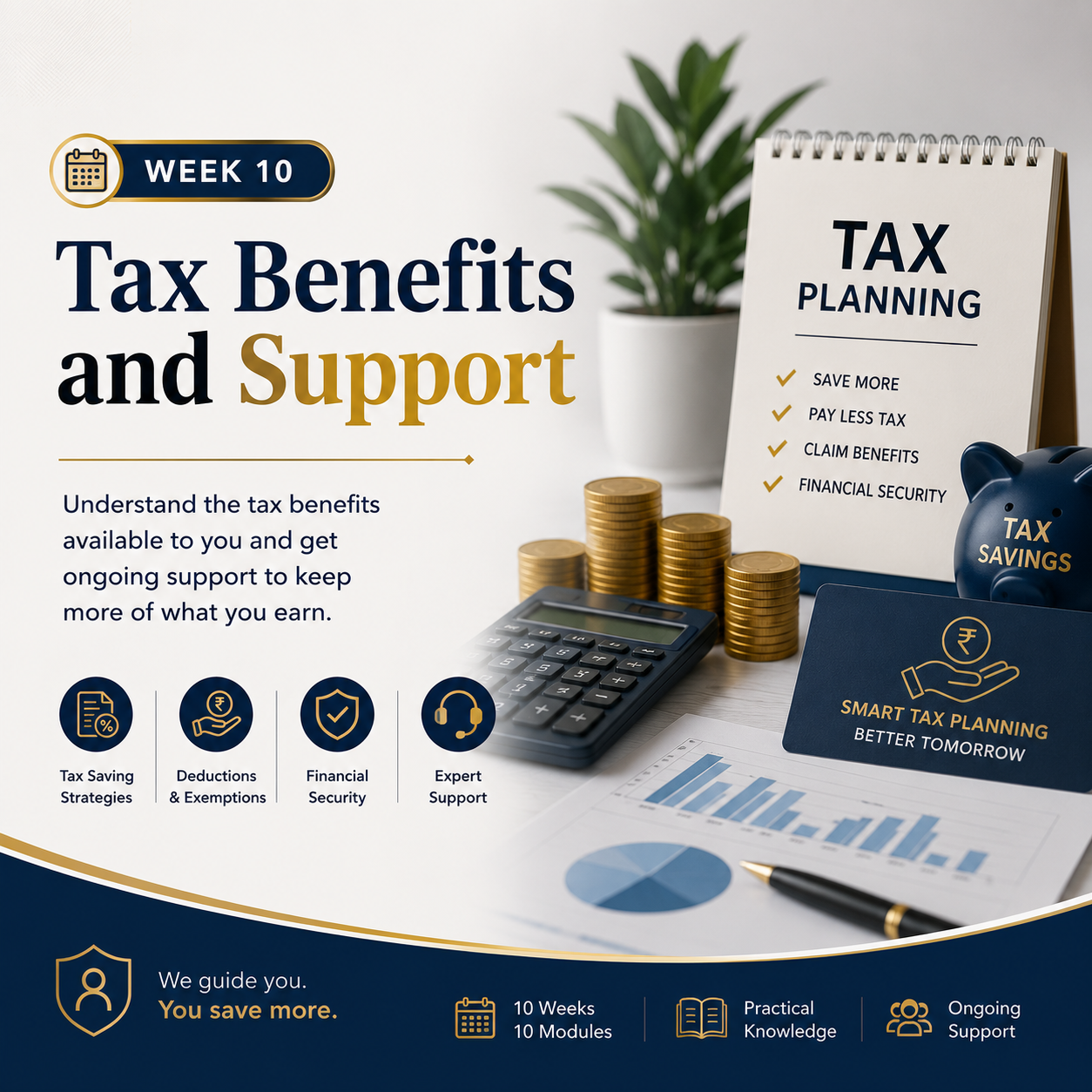
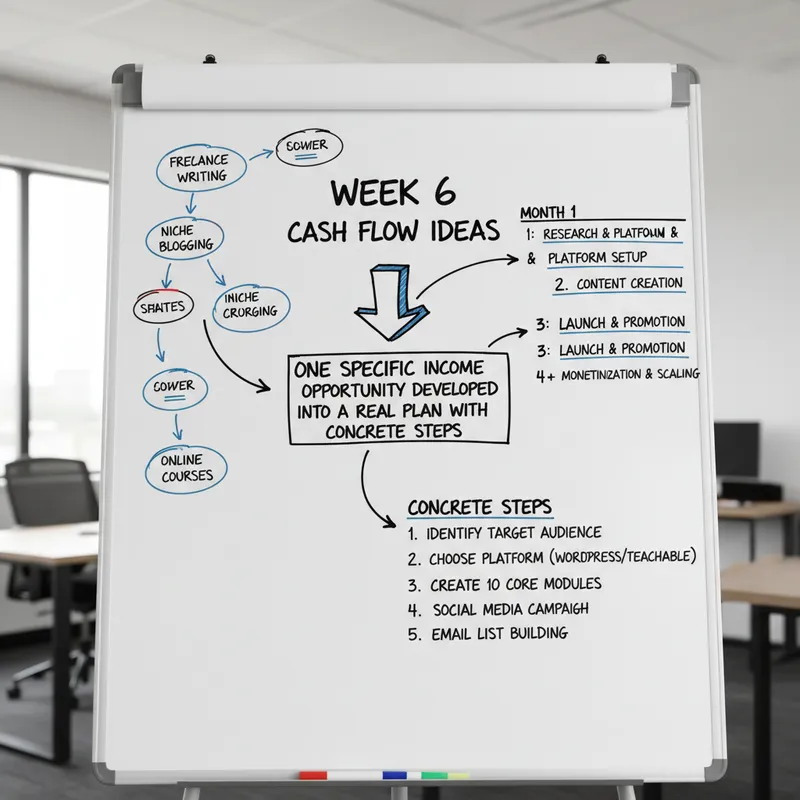
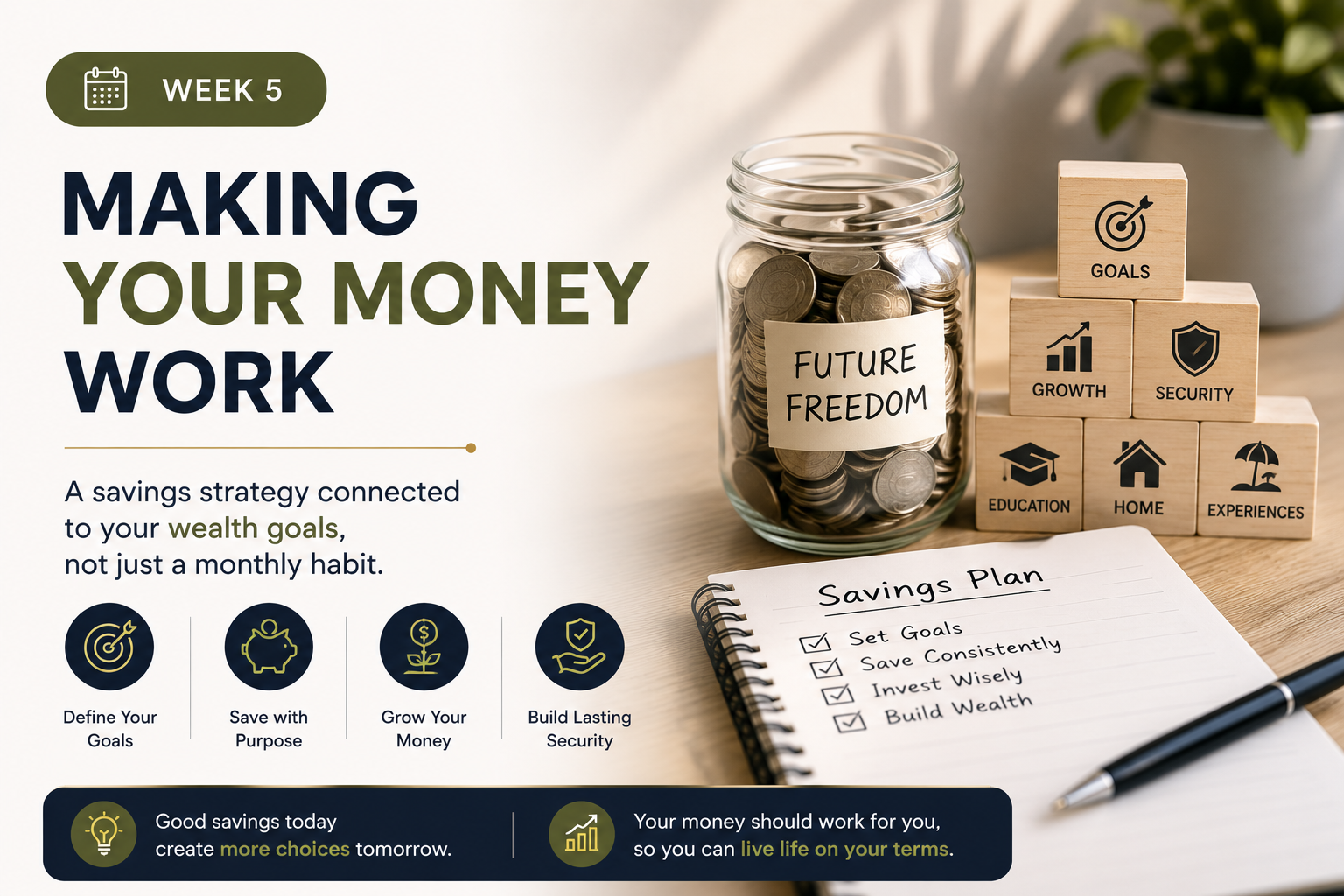
This is exactly the approach inside The Income Into Assets Program — where your real estate entry strategy is built from your actual numbers, taught from a real portfolio, not a textbook. See how it works.
KTR Wealth, LLC is a financial education and coaching company. Nothing on this website constitutes financial advice, investment advice, legal advice, or tax advice. Results vary based on individual circumstances, effort, and the application of strategies taught. Always consult a qualified financial advisor, tax professional, or legal professional before making significant financial decisions. Keniesha T. Rhooms is a PMP certified Management Consultant and financial educator, not a licensed financial advisor, attorney, or certified public accountant.